ARIS Connect portal
The tool
ARIS (Architecture of Integrated Information Systems) is a framework and a platform for modelling, analysing and optimizing business processes. It works as a single point of truth that gives visibility and understanding of how the business works, what are the potential bottlenecks and how things can improve.
ARIS Connect is the cloud based UI, that gives edit or view access to the business content, that is stored in the ARIS databases. Via a smart layout, users can navigate into the mapped structures, evaluate dependencies between items (e.g. the occurrence of a system in processes), use the aggregated data of the dashboards or run reports to extract what they need in a file.
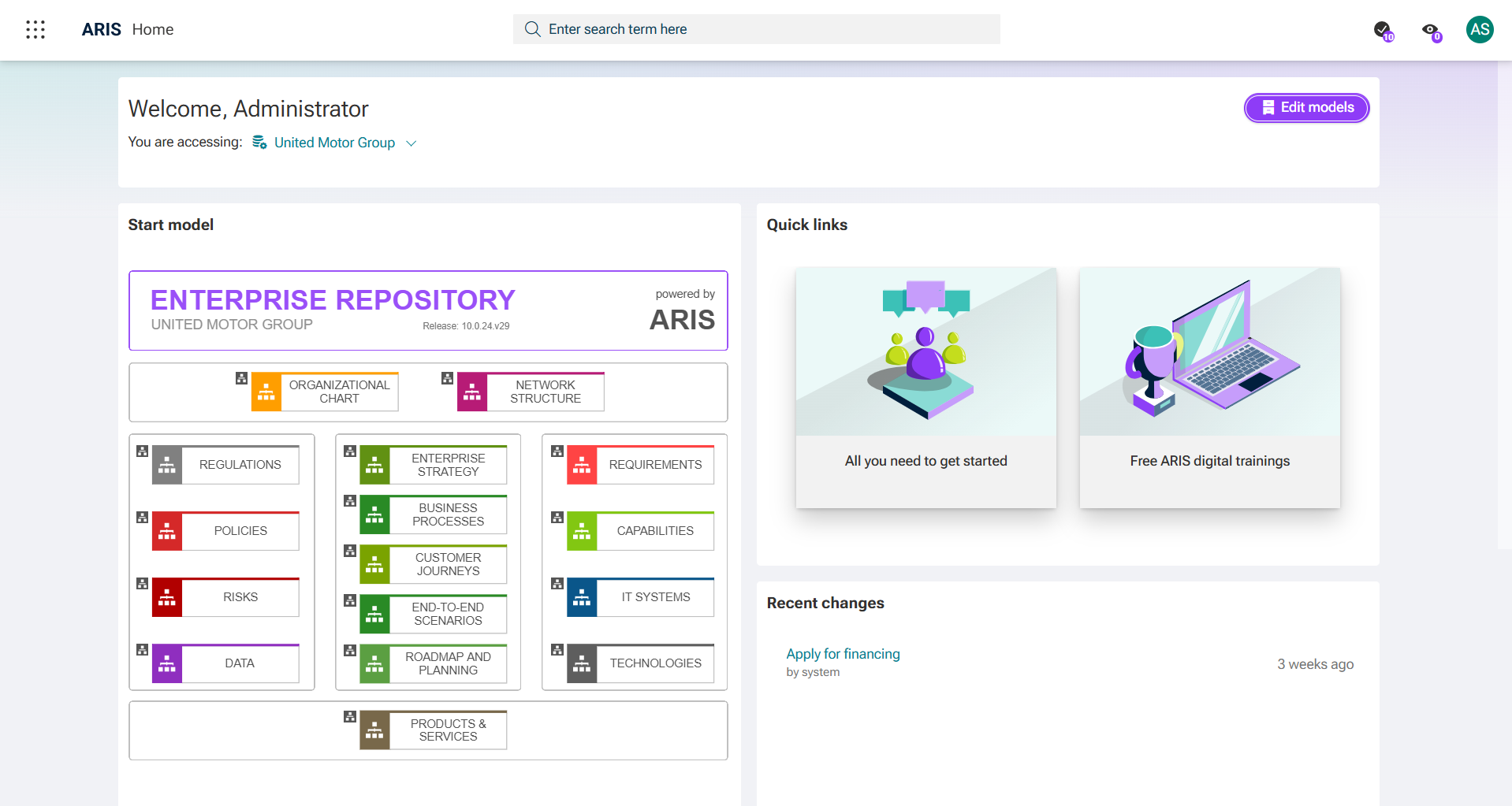
The tool is positioned as a Process Intelligence platform as it also incorporates Process Mining and AI. Process Mining answers the question ‘does the log files of the systems we use show that we follow what we describe in our processes?’, giving further possibilities for discovering the real problems and addressing them effectively. The use of AI in ARIS takes automation few steps further, for both modellers and administrators!
My experience
My experience with ARIS started by using the tool to analyse and map the processes of our various customers. The analysis was based on existing printed material and interviews with users. Having this connection with the users from an early stage gave me a good insight on how people see and communicate their reality, from their business or IT perspective.
As a next step I started providing training to the users on how best they can use the tool to create high quality content. I started performing the administration on behalf of customers, or mentoring administrators, focusing on the setup and the configuration of the system, as well as keeping it up to date with new requirements. The focus always has been to configure it to meet the business needs and standards, and to make it easy and enjoyable for the users to use it and make the most of it’s content for their everyday work and business decisions. I started creating dashboards and workflows for automating the approval of updated or new content. I got involved in configuring Process Mining.
I finally started customizing ARIS Connect to fit the requirements of my customers and also creating my own bespoke reports (in JavaScript) that users could run to export specific information or to automate administrative tasks.
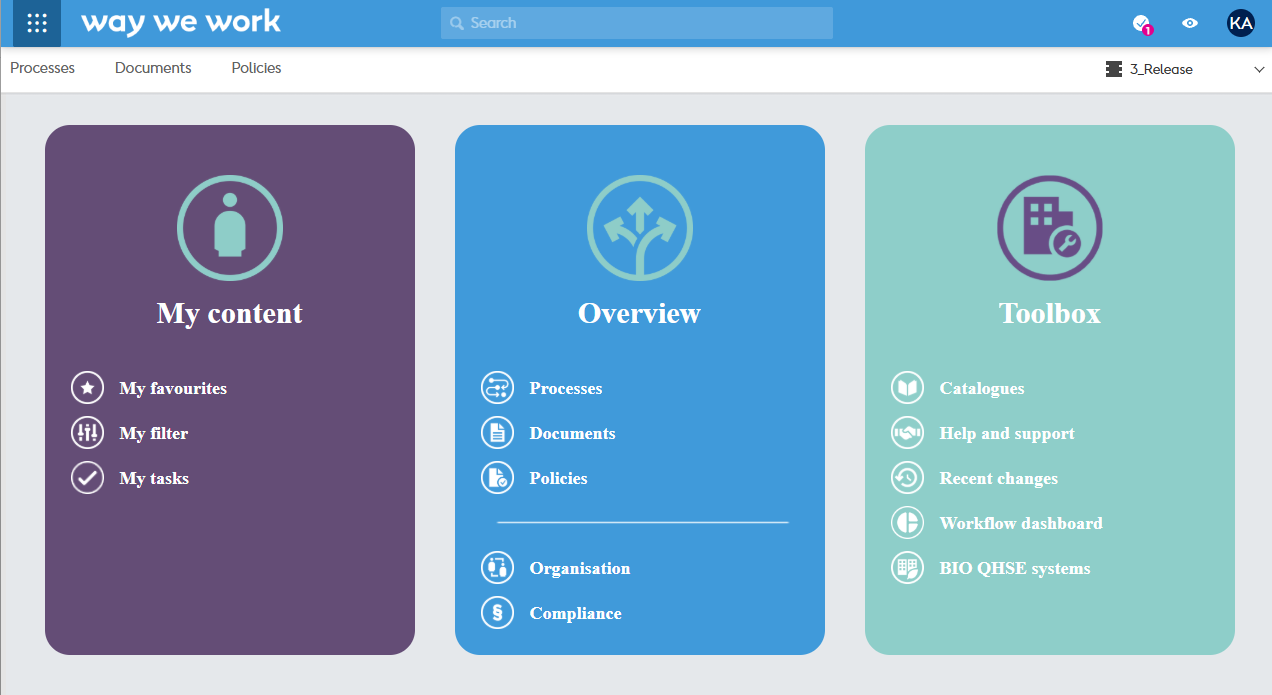
Moving into the AI era, we are now mentoring our customers on how they can use it, to either create content more efficiently or use it to manage their application more efficiently.
A reflection on my journey so far
In my 18 years collaboration with the ARIS application I have been involved in both the business and the technical side of it and I have enjoyed both.
As my customers operate in different sectors, they often need or choose to follow a specific framework or standard (e.g. TOGAF® or ArchiMate®) in using ARIS. Getting involved in these journey has contributed, apart from expanding my knowledge on various industry standards, to sharpen my ability to easily adjust to different business requirements on different levels.
I find my evolution from a business to a technical consultant an inevitable step in my career, as I was always curious to anything technical and how things work in the background. Working in both ‘sides’ has really helped me to understand what kind of information I needed to collect from the business and how I can translate it into technical requirements. The more I was getting involved in the technical part, the better as well I could guide my customers to a solution that would work best for them. I am proud of myself for reaching this goal and and having this knowledge and experience I have today.